

ALJIHA POST
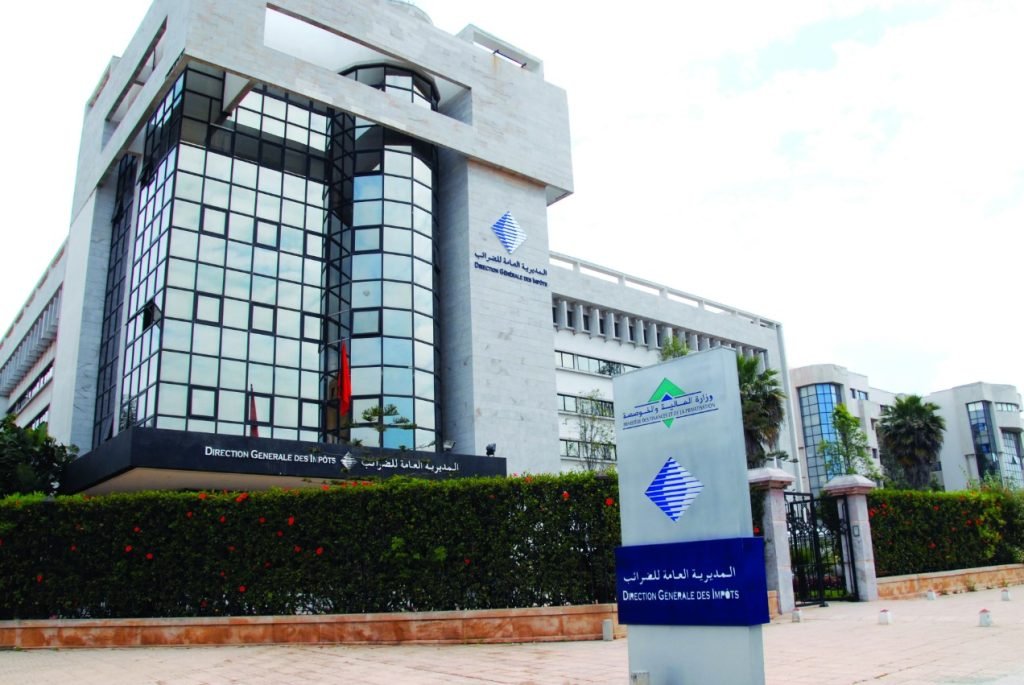
In a significant policy development, Morocco’s Ministry of Economy and Finance has announced the launch of an ambitious green fiscal transition program, which is set to run until 2027. Endorsed by the French Development Agency, this initiative marks a strategic pivot toward aligning public finances with the imperatives of climate change mitigation and sustainable development.
A Paradigm Shift in Fiscal Policy
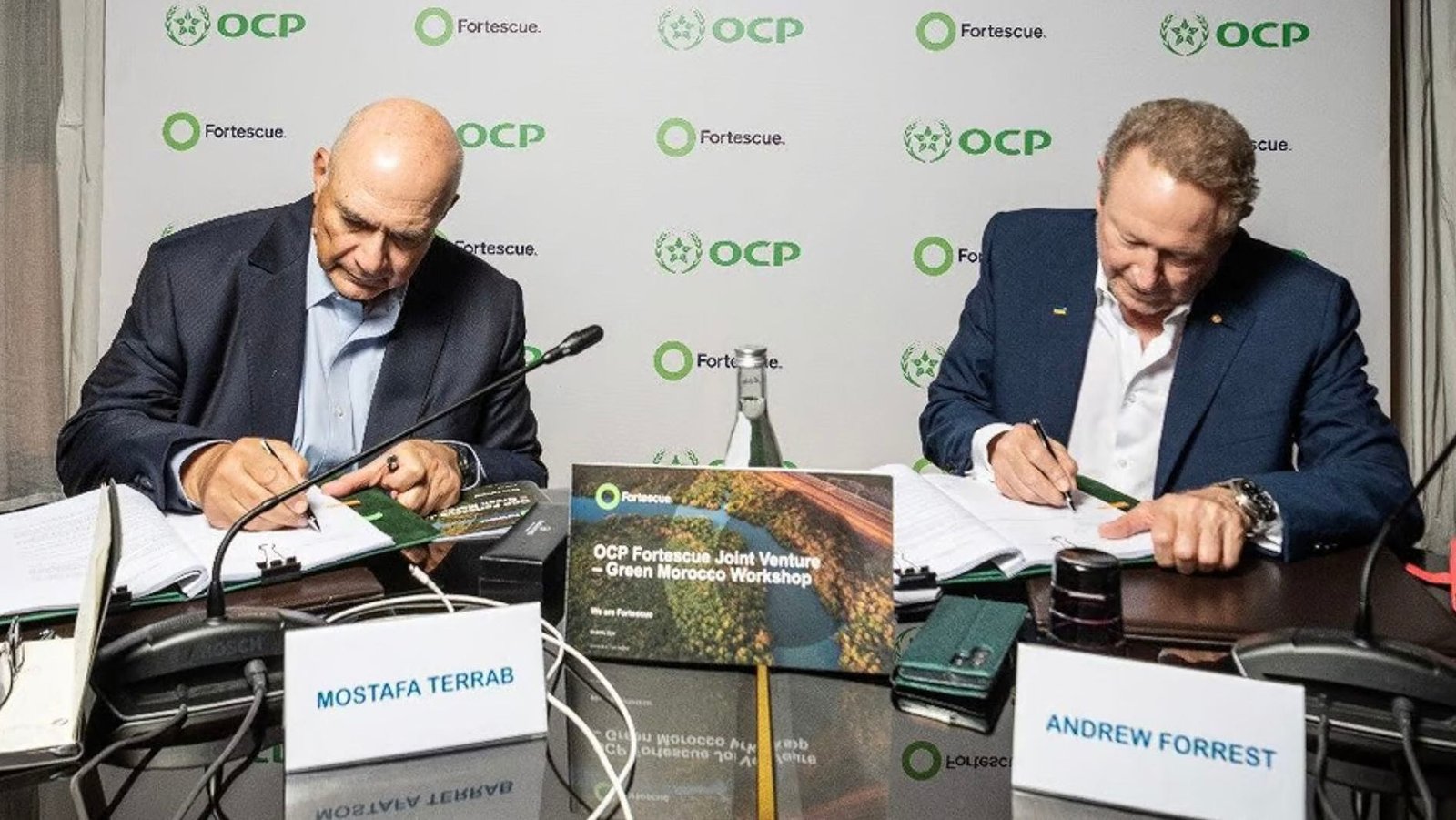
Traditionally, fiscal policy has focused primarily on economic growth and revenue stabilization. However, recent global environmental challenges have necessitated a rethinking of fiscal strategies. Recognizing this need, the Moroccan government is now integrating ecological sustainability into its budgetary framework. Central to this approach is the adoption of a model inspired by the Office Chérifien des Phosphates (OCP), a leading institution renowned for its progressive and environmentally responsible practices.
Strategic Objectives and Policy Framework
The core objective of this green fiscal transition is to redirect public spending towards initiatives that foster renewable energy development, sustainable infrastructure, and climate resilience. The program outlines a series of strategic measures designed to:
Reorient Budgetary Allocations: Prioritizing investments in sectors that contribute to a low-carbon economy.
Enhance Monitoring and Accountability: Establishing rigorous evaluation mechanisms to measure the environmental impact of public expenditures.
Catalyze Private Sector Engagement: Creating an investment climate conducive to sustainable projects by setting clear environmental benchmarks.
By embedding environmental criteria into fiscal decision-making, the Ministry seeks to ensure that public funds not only drive economic growth but also support long-term environmental sustainability.
Expected Outcomes and Potential Challenges
Experts anticipate that this initiative will yield multiple benefits, including improved efficiency in public spending and a reduction in the ecological footprint of governmental operations. Moreover, by showcasing the successful integration of green practices as exemplified by OCP, Morocco is poised to serve as a model for other nations aiming to reconcile fiscal policy with environmental objectives.
Nonetheless, the transition is not without challenges. The need to balance immediate fiscal responsibilities with long-term sustainability investments presents a complex policy dilemma. Additionally, realigning existing financial systems to accommodate environmental priorities will require continuous adaptation and collaboration among various stakeholders.
Morocco’s green fiscal transition program represents a forward-thinking effort to integrate environmental imperatives into the fabric of national economic policy. By leveraging the sustainable practices demonstrated by OCP, the government is not only addressing the urgent challenges posed by climate change but also laying the groundwork for a resilient and inclusive economic future. As this initiative unfolds, its outcomes will likely offer valuable insights for policymakers and development partners worldwide, underscoring the importance of harmonizing fiscal governance with the demands of environmental stewardship.