

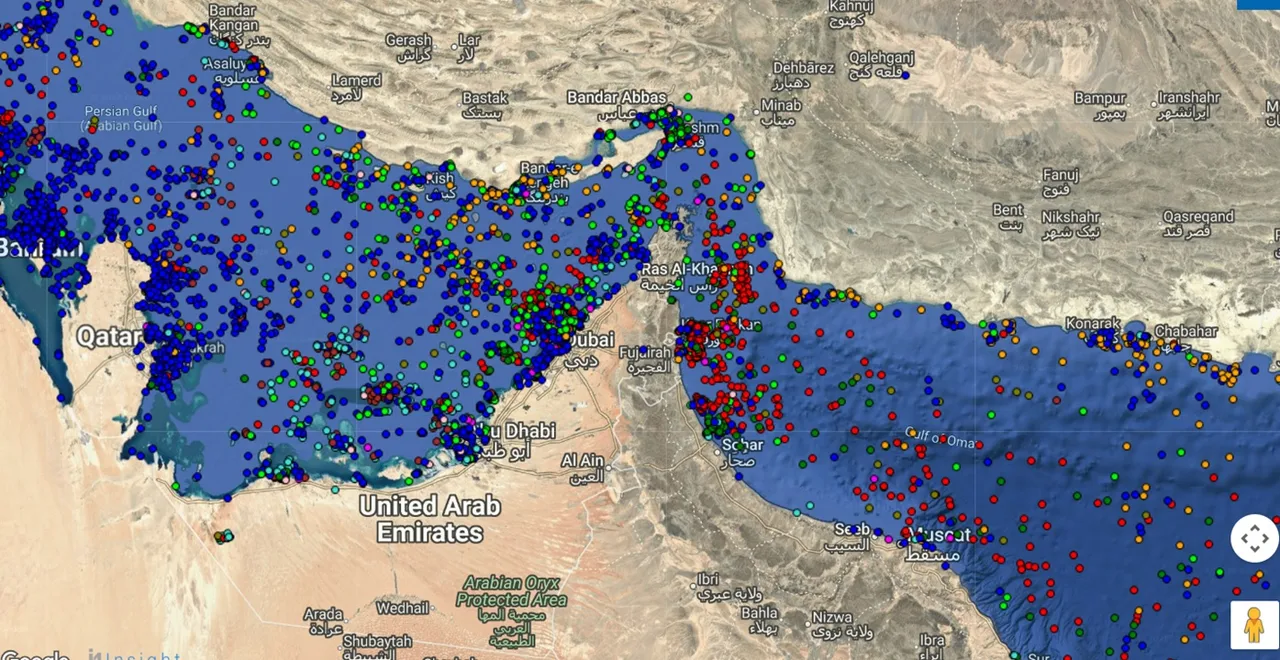
In the narrow waters of the Strait of Hormuz, massive oil tankers move slowly between the Persian Gulf and the Gulf of Oman. It is a short maritime corridor, yet one of the most strategic on earth. Nearly 20% of global petroleum liquids consumption passes through this chokepoint every day, along with a substantial share of liquefied natural gas (LNG), particularly exports from Qatar.
When tensions rise in this fragile zone—especially amid confrontations involving Iran—energy markets react instantly. Oil prices climb, insurance premiums surge, and shipping risks multiply. But while the geopolitical drama unfolds thousands of kilometers away, its economic consequences can be felt directly in Morocco.
A Distant Crisis, A Direct Impact
Morocco is heavily dependent on imported energy to meet its domestic demand. As a result, any sustained disruption in Hormuz—whether a de facto slowdown, partial closure, or full blockade—would likely translate into higher import bills for the Kingdom.
Every spike in global oil prices increases pressure on Morocco’s trade balance. Higher fuel costs ripple through the economy: transportation becomes more expensive, logistics costs rise, and production expenses increase for industries reliant on energy inputs.
In practical terms, a geopolitical incident in the Gulf can quickly affect fuel prices in Casablanca, Tangier, or Rabat.
Inflation and Budgetary Pressure
A prolonged crisis could also intensify inflationary pressures. Rising energy prices typically push up food costs, manufacturing expenses, and electricity bills. For households, this means reduced purchasing power. For businesses, it means tighter margins.
The Moroccan government would then face a difficult policy choice: allow domestic prices to reflect international volatility or intervene to cushion the shock—at a fiscal cost. Either path carries economic consequences.
Gas Markets Add Another Layer of Risk
The vulnerability extends beyond oil. LNG shipments, especially those originating in Qatar, also transit through Hormuz. Any disruption would tighten global gas supplies, potentially driving prices higher. Although Morocco imports gas via Spain and is advancing infrastructure projects to strengthen its energy mix, it remains exposed to international market fluctuations.
Strategic Lessons for Morocco
The current tensions highlight the importance of energy diversification. Morocco has made significant progress in renewable energy development, positioning itself as a regional leader in solar and wind power. However, hydrocarbons still play a critical role in its energy consumption structure.
The Strait of Hormuz serves as a reminder that energy security is not only about domestic production but also about geopolitical stability and supply chain resilience.
Global Tensions, National Stakes
Major powers, including United States and its allies, play a key role in safeguarding maritime security in the region. Increased naval patrols, convoy escorts, and deterrence measures aim to prevent escalation. Yet the risk of miscalculation remains.
For Morocco, the outcome of this distant crisis matters greatly. In an interconnected global economy, strategic chokepoints such as Hormuz can influence everything from inflation to economic growth.
What happens in a narrow strait between Iran and Oman does not stay there. It travels—through oil tankers, financial markets, and supply chains—until it reaches consumers and economies worldwide, including Morocco.
ben issa youssef