

In the quiet arithmetic of public finance, big shifts often speak louder than political slogans. For Morocco, the numbers projected for 2026 tell the story of a state entering a new fiscal chapter—one defined by stronger revenues, expanding social commitments, and renewed confidence in public investment.
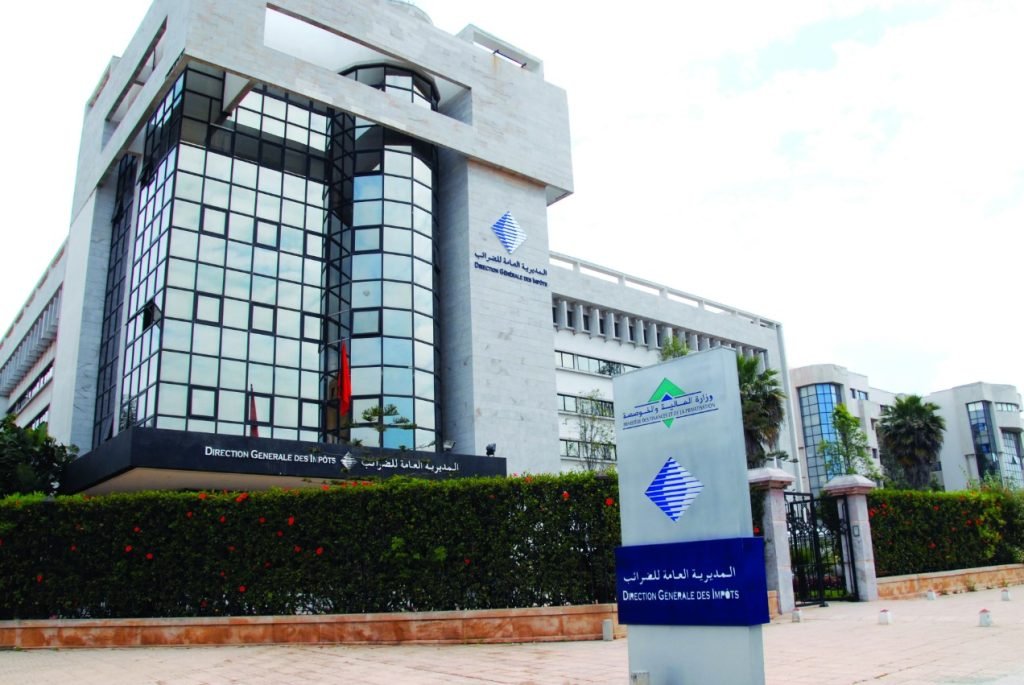
According to official government projections, Morocco’s tax revenues are expected to reach 366 billion dirhams by 2026, a level that would have seemed ambitious only a few years ago. In 2020, fiscal revenues stood at around 199 billion dirhams. The difference—nearly 160 billion dirhams in additional resources over six years—signals more than a cyclical recovery. It reflects a structural shift in how the state mobilizes and manages its financial base.
Behind this surge lies a combination of factors: improved tax collection, a gradual broadening of the tax base, and a more resilient economic recovery following successive shocks, from the pandemic to global inflationary pressures. Authorities insist that the objective is not merely to collect more, but to collect better—by reinforcing compliance while easing distortions that have long weighed on productive sectors.
Funding the Social State
The fiscal rebound is not an end in itself. It is designed to underpin Morocco’s expanding social agenda. By 2026, public spending commitments linked to social protection are set to rise sharply. Major allocations are planned for the generalization of social protection, direct social assistance programs, and the financing of health insurance schemes targeting vulnerable populations.
These measures are part of a broader transformation of the Moroccan welfare model, aiming to replace fragmented aid mechanisms with a more coherent and inclusive system. In budgetary terms, this shift represents a decisive move: social spending is no longer treated as a residual adjustment variable, but as a central pillar of fiscal policy.
Investment as a Growth Lever
Alongside social priorities, the state is betting heavily on public investment to sustain long-term growth. Government projections show public investment rising from roughly 230 billion dirhams in 2021 to nearly 380 billion dirhams by 2026. Infrastructure, education, healthcare, and strategic industrial sectors are expected to absorb much of this effort.
For policymakers, the logic is clear. Stronger fiscal revenues provide the room needed to invest without jeopardizing macroeconomic stability. Public investment, in turn, is expected to crowd in private capital, reinforce territorial cohesion, and support job creation—especially in sectors with high multiplier effects.
A Delicate Balance
Yet the challenge ahead is one of balance. Sustaining this revenue trajectory will require maintaining economic momentum while ensuring that fiscal pressure does not stifle competitiveness or household purchasing power. The credibility of the reform agenda will depend on transparency, fairness, and the state’s ability to translate higher revenues into visible improvements in public services.
As 2026 approaches, Morocco’s fiscal outlook reflects cautious optimism. The numbers suggest a state better equipped to act, invest, and protect. Whether this fiscal turning point will translate into lasting economic and social gains will depend on how effectively these resources are deployed—and how deeply reforms continue to reshape the relationship between the state, citizens, and the economy.