

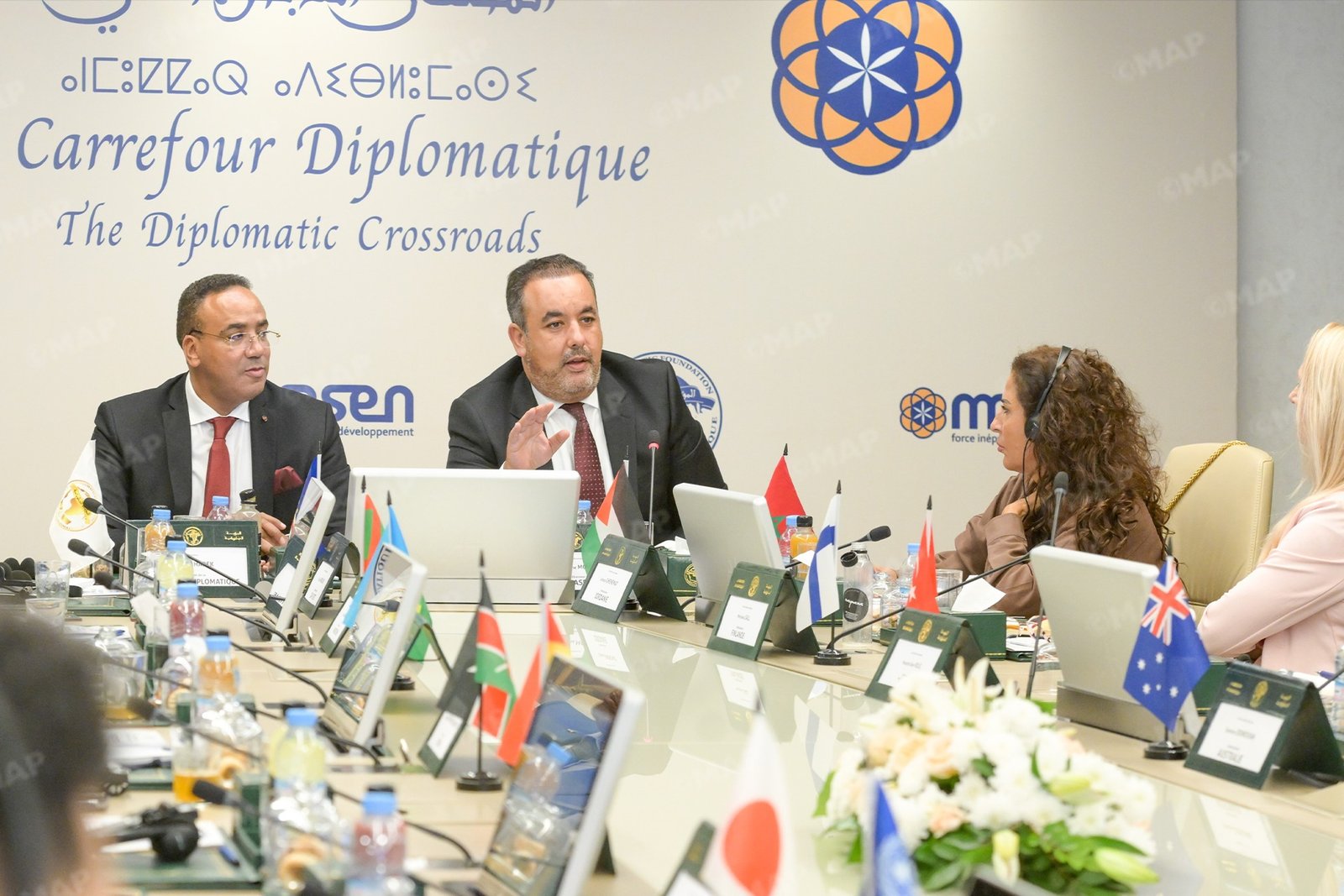
Rabat – The scale and complexity of current energy and climate challenges require strengthened international cooperation, emphasized on Thursday in Rabat the CEO of the Moroccan Agency for Sustainable Energy (MASEN), Tarik Ameziane Moufaddal.
Invited by the Diplomatic Foundation as part of the 158th edition of the Diplomatic Hub, Moufaddal stressed the need to enhance institutional exchanges, share expertise, and establish partnerships capable of leading to concrete, high-impact projects.
During the meeting, held under the theme “Morocco’s Energy Transition: Ambitions, Prospects, and International Cooperation,” the CEO of MASEN noted that “while energy trajectories differ from one country to another, they all lead us to question our common future.”
In a constantly evolving energy landscape, energy is not limited to technical or economic questions, he said, adding that it constitutes a true issue of sovereignty, industrial competitiveness, and climate responsibility.
Furthermore, he noted that under the enlightened leadership of His Majesty King Mohammed VI, Morocco chose to invest in renewable energy as part of a long-term strategic vision that makes energy a lever for energy sovereignty, industrial competitiveness, and sustainable development.
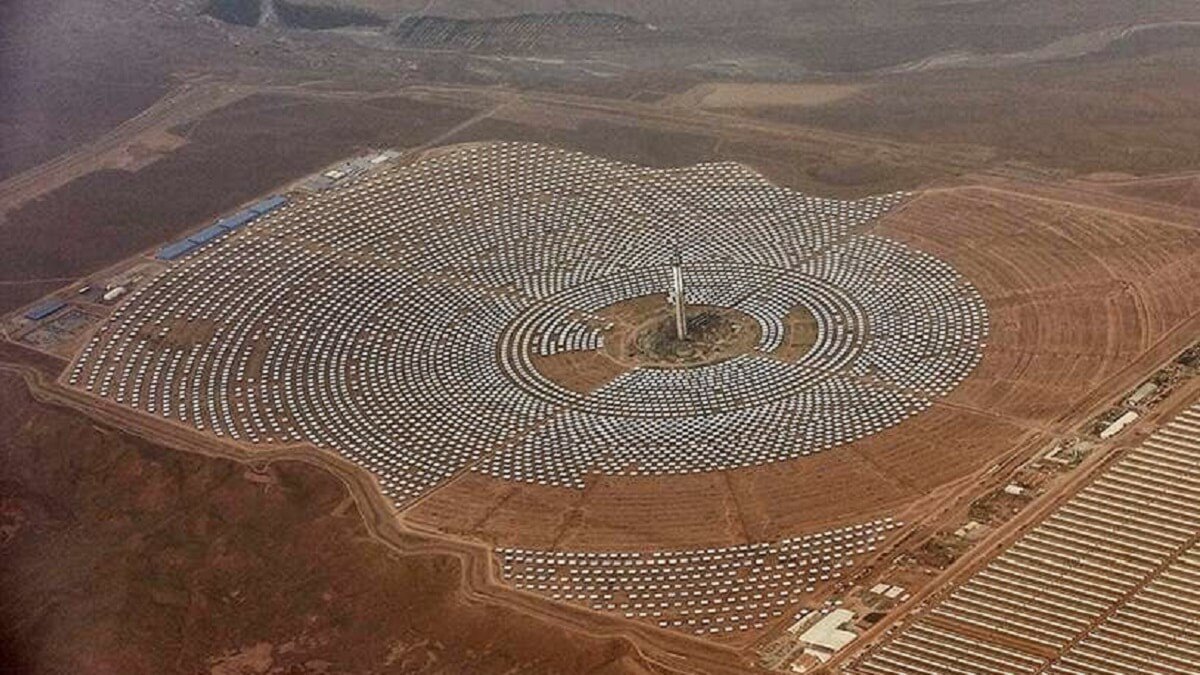
In this regard, he observed that the Kingdom continues, with consistency and seriousness, its efforts to raise the share of renewable energy to more than 52% of national installed electrical capacity by 2030, taking advantage of its significant natural assets in solar and wind power to transform this potential into industrial opportunities, development, and shared prosperity.
He further affirmed that MASEN acts as a strategic integrator of the energy transition process in Morocco through the development of major renewable energy projects, thereby making electricity from renewable sources a lever to boost industrial competitiveness, create jobs, and attract new investments.
The Moroccan Agency for Sustainable Energy also contributes to consolidating Morocco’s position among the reference players in the emerging green hydrogen sector, particularly within the framework of the “Morocco Offer” for green hydrogen, he noted.
For his part, the president of the Diplomatic Foundation, Abdelati Habek, said that Morocco has made the energy transition and the development of renewable energies one of the strategic pillars of its development model, drawing on its natural assets and geographic position, which are favorable for developing regional and international energy partnerships.
This approach, he explained, is based on an ambitious national strategy combining a long-term vision, innovation, and the strengthening of partnerships, alongside the execution of major projects with high economic and social impact, allowing the Kingdom to consolidate its regional and continental position in the renewable energies sector.
Habek also noted that the energy sector offers new prospects for cooperation in the face of global shifts through innovative and sustainable partnerships serving common interests and a safer, more efficient energy system.
Attended by accredited ambassadors to the Kingdom and representatives from more than 30 countries and international organizations, this event is part of a series of meetings held by the Diplomatic Foundation on the major development projects and international initiatives undertaken by the Kingdom.