

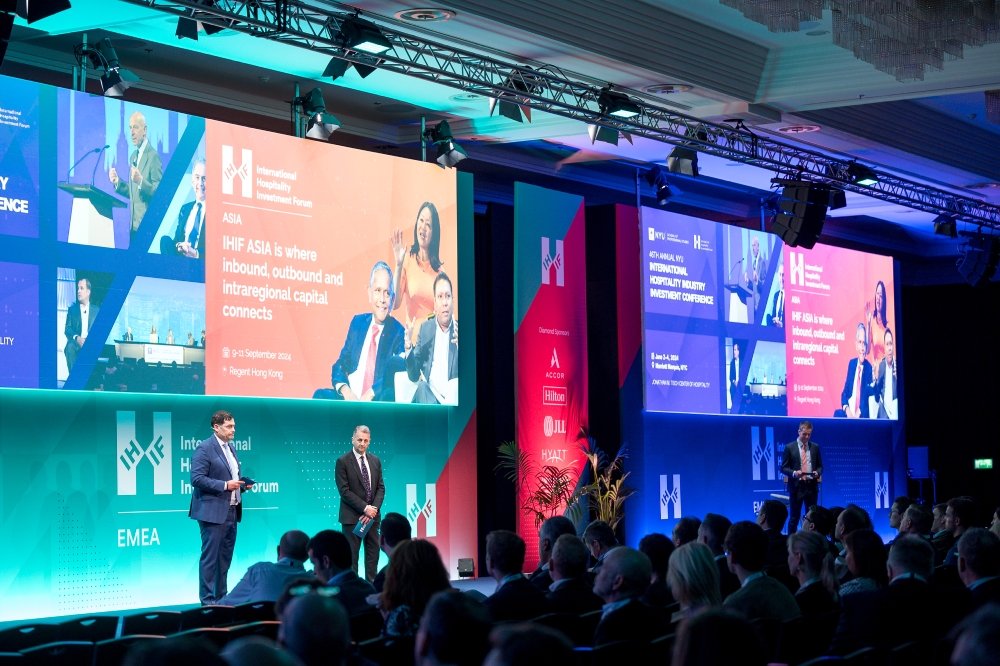
From the heart of Berlin, where global leaders in hospitality investment gather, Morocco unveiled a new chapter in its tourism strategy—one driven by structured investment and long-term vision. Its presence at the International Hospitality Investment Forum was far from symbolic; it signaled a profound shift in how the country approaches tourism development.
Imad Barrakad, Director General of the Moroccan Agency for Tourism Engineering, highlighted this transformation by emphasizing that Morocco has moved beyond a purely quantitative expansion of its tourism offer. Instead, the country is now focused on creating value, ensuring sustainability, and building a coherent investment ecosystem.
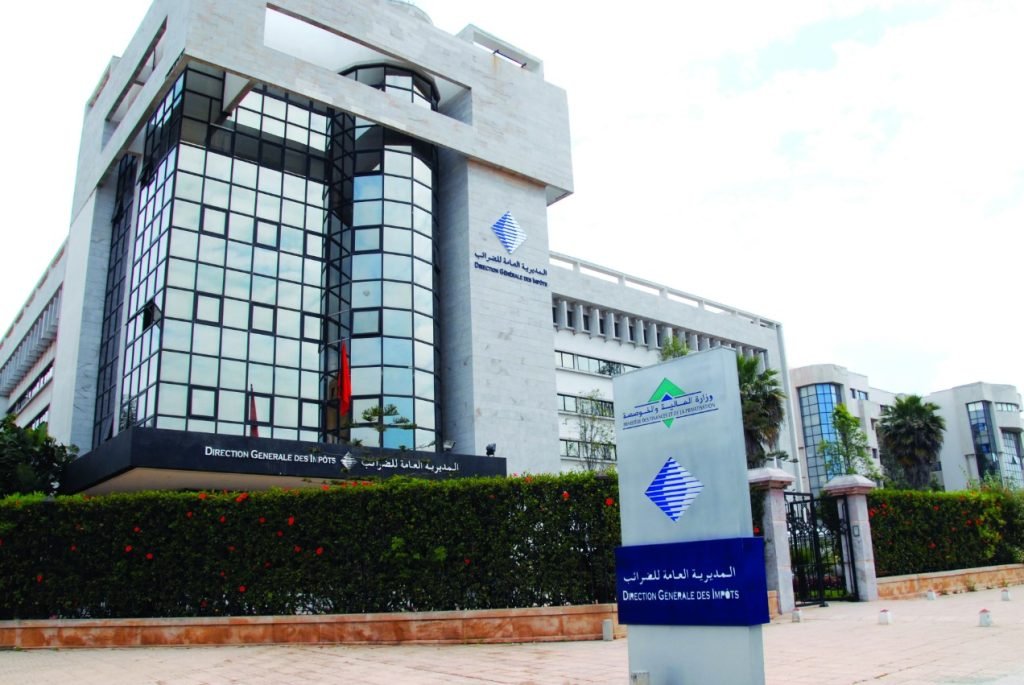
In an increasingly competitive global market, Morocco understands that natural beauty and cultural richness are no longer sufficient. Investors now seek clarity, security, and profitability. To meet these expectations, the country is actively improving its business environment through financial incentives, tax benefits, simplified procedures, and enhanced public-private partnerships.
International hotel brands also play a key role in reinforcing Morocco’s attractiveness, offering operational expertise and global standards that reassure investors and elevate the quality of tourism services.
While destinations like Marrakech and Agadir continue to perform strongly, Morocco is now looking beyond traditional hubs. The next challenge lies in developing new tourism clusters and promoting innovative concepts such as eco-lodges and boutique hotels that align with evolving traveler preferences.
At the core of this strategy is Morocco’s rich heritage. The restoration of kasbahs, palaces, and historic medinas represents a unique investment opportunity, positioning the country within the fast-growing experiential tourism segment.
As global competition intensifies, Morocco appears determined to secure its place as a leading tourism investment hub in Africa and the Mediterranean—anchored in a vision that blends profitability, sustainability, and cultural authenticity.