

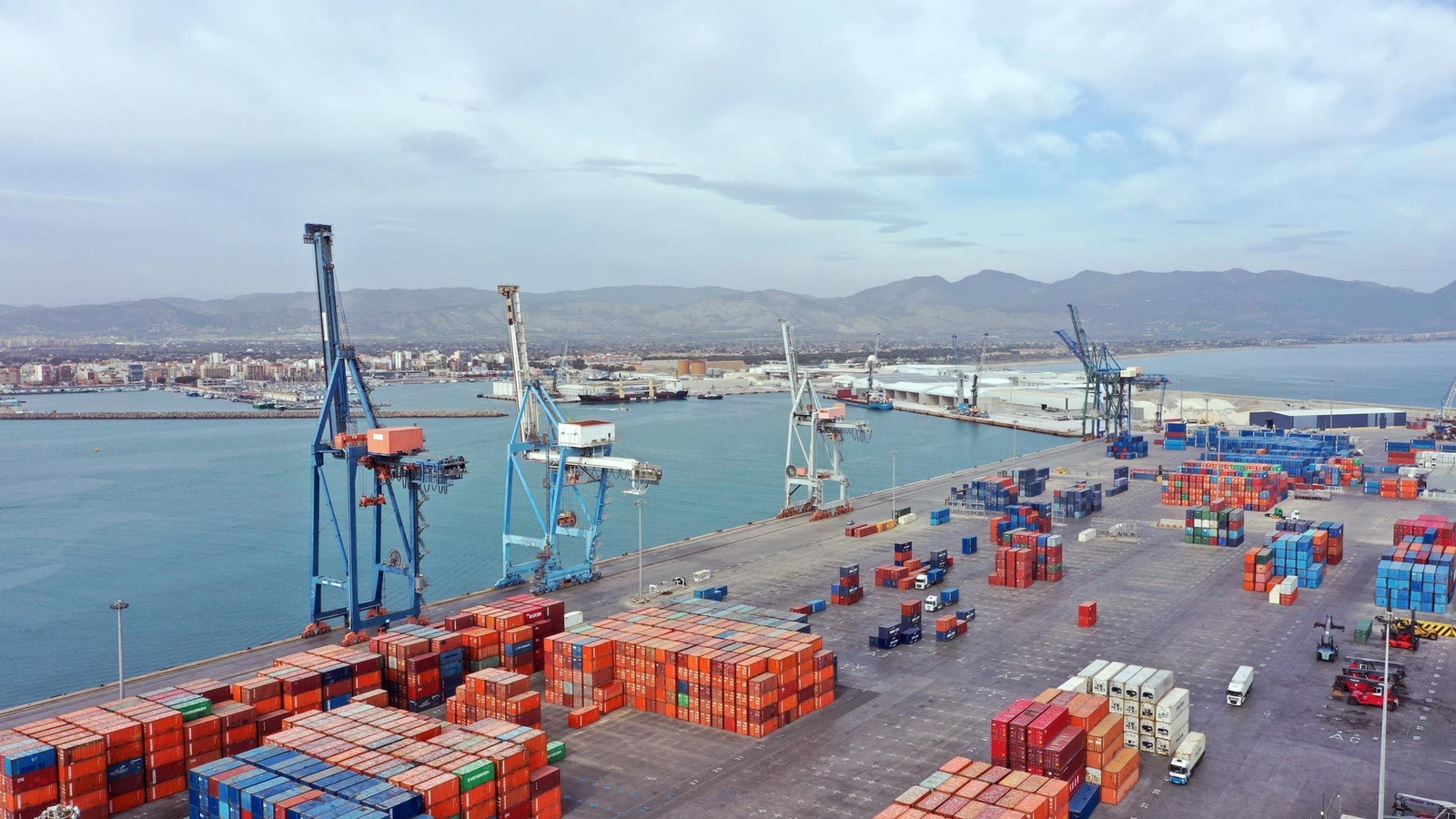
In the quiet rhythm of global shipping, where cargo vessels move silently between continents, a new milestone has emerged at Spain’s Castellón Port — one that highlights the rising influence of Morocco in Mediterranean trade.
Since the beginning of 2026, commercial exchanges between Morocco and Castellón have surged at an unprecedented pace, marking a significant shift in regional trade dynamics. What once appeared as steady growth has now turned into a remarkable acceleration, placing Morocco among the port’s top trading partners.
More than 300,000 tonnes of goods have already transited through Castellón in just a few months. Behind this figure lies a deeper transformation: Morocco is no longer simply a trading partner — it is becoming a strategic logistics player connecting Europe, Africa, and beyond.
This performance is not accidental. It reflects years of investment in port infrastructure, particularly through major platforms like Tanger Med, as well as a broader national strategy aimed at strengthening supply chains and boosting export competitiveness. Moroccan companies are increasingly expanding their reach, while European operators are turning to Morocco as a reliable gateway to African markets.
The nature of traded goods further illustrates this growing complementarity. Industrial materials, energy products, construction inputs, and various bulk commodities circulate between the two shores, reinforcing a mutually beneficial economic relationship.
What is happening at Castellón is part of a larger trend. As global supply chains continue to evolve, Morocco is positioning itself as a key hub in the Western Mediterranean. Its geographic proximity to Europe, combined with political stability and ongoing infrastructure development, gives it a clear competitive advantage.
As ships continue to dock and depart, carrying thousands of tonnes of goods, one thing becomes increasingly clear: Morocco is not just breaking records — it is redefining its role in international trade