

As geopolitical tensions push global energy markets into uncertainty, Morocco appears better prepared than many countries to face the ripple effects of rising oil prices. According to Ryad Mezzour, Morocco’s Minister of Industry and Trade, the kingdom’s diversified energy mix and strong economic fundamentals are helping the country navigate the turbulence affecting global markets.
Speaking in an interview with BBC News Arabic, Mezzour explained that the ongoing tensions involving the United States, Israel, and Iran are contributing to a surge in global oil and energy prices. Yet Morocco, he noted, has built enough resilience over the years to mitigate the impact of such external shocks.
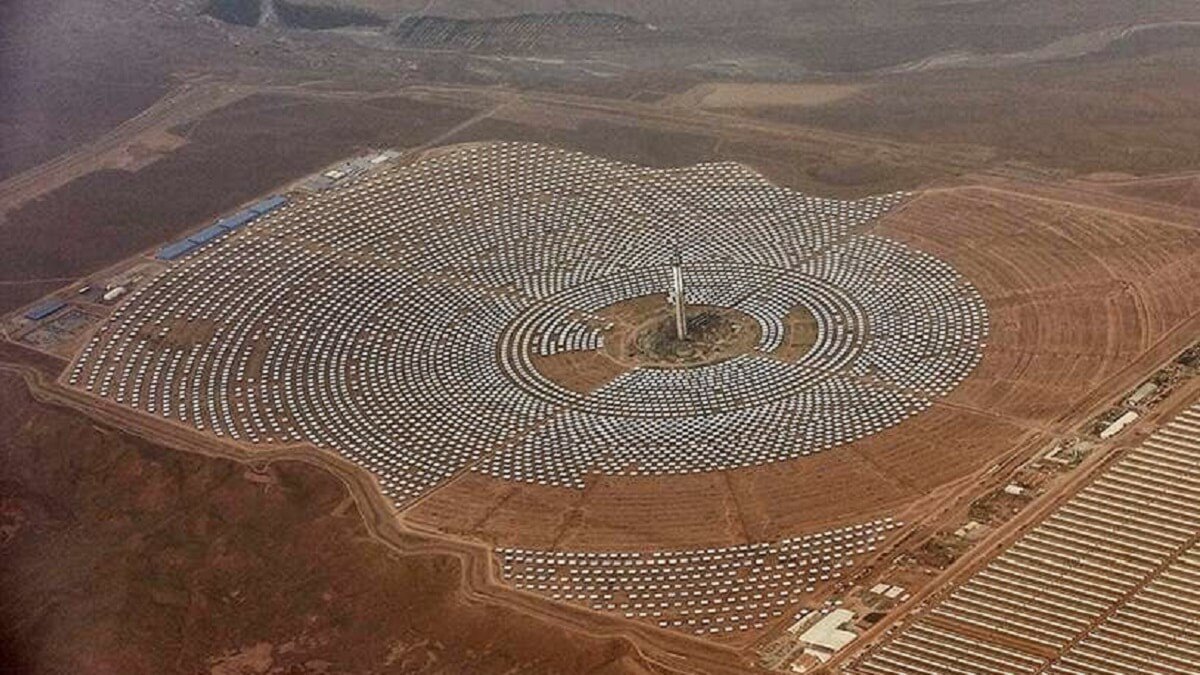
One of the country’s key strengths lies in its diversified energy strategy. Over the past decade, Morocco has invested heavily in renewable energy, particularly solar and wind power, allowing it to gradually reduce its dependence on imported fossil fuels. This transition toward greener sources of energy has strengthened the country’s energy security and economic stability.
Despite facing a series of challenges in recent years—including water shortages, floods, and the devastating Al Haouz earthquake 2023—Morocco’s economy has remained resilient. According to Mezzour, the diversity of the national economy enables it to absorb shocks while maintaining steady growth.
Foreign investment continues to play a significant role in supporting Morocco’s economic momentum. Mezzour noted that capital flows into the country from across the world, with the United Arab Emirates accounting for roughly 19% of total investments, while Europe, the United States, and other Gulf countries make up the remaining share.
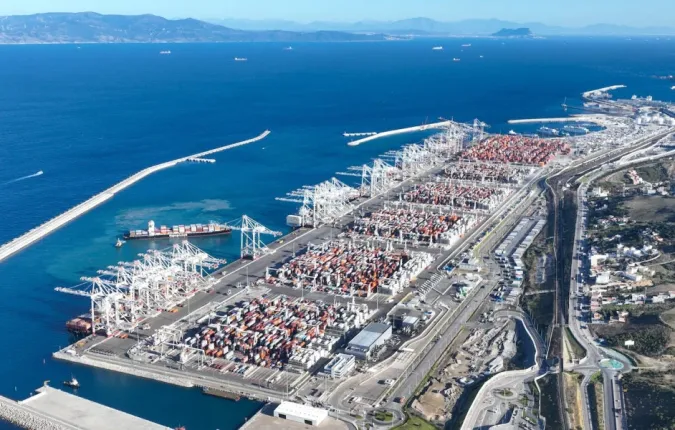
The minister also highlighted Morocco’s strategic geographical position as a gateway between Africa, Europe, and the Atlantic. Infrastructure projects such as Tanger Med Port, one of the largest ports in Africa, and the emerging Nador West Med Port, are expected to significantly expand the country’s capacity for energy storage and logistics.
These long-term projects, launched more than a decade ago, are progressing steadily and remain unaffected by the current Middle East tensions. For Morocco, they represent not only infrastructure development but also a strategic investment in energy security and economic resilience.