

As global economic transformations accelerate and geopolitical tensions continue to reshape international markets, Morocco’s economy is once again demonstrating resilience and adaptability. However, the latest forecasts released by the African Development Bank (AfDB) indicate that the Kingdom is entering a period that will require heightened vigilance and strategic economic management.
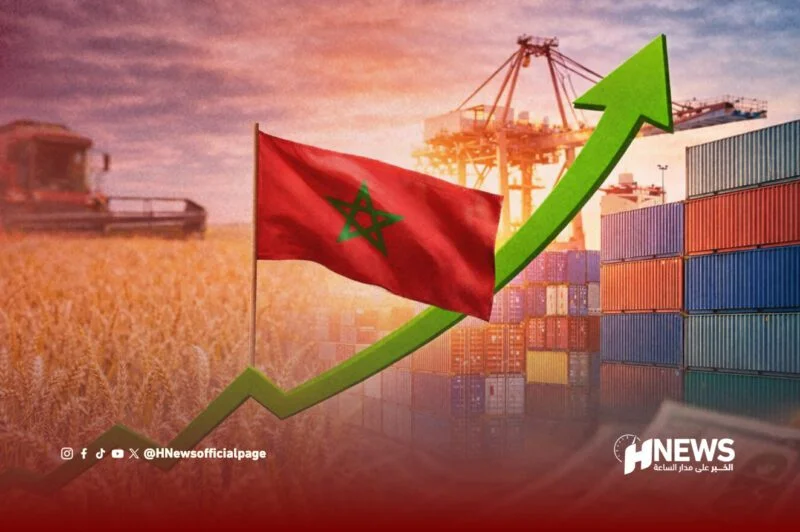
According to the African Economic Outlook 2026 report, Morocco’s economic growth is expected to reach 4.2 percent in 2026, compared to 4.7 percent in 2025. While this represents a slight slowdown, it reflects the broader impact of global geopolitical tensions, rising energy costs, and increasing pressure on international supply chains. Despite these challenges, Morocco remains among the most stable and dynamic economies on the African continent.
The report highlights that domestic consumption and major infrastructure investments will continue to serve as key drivers of growth, supported by strong performances in agriculture, manufacturing, construction, and tourism. Large-scale development projects and ongoing economic reforms are also expected to reinforce Morocco’s attractiveness to investors and stimulate job creation.
At the same time, ongoing instability in the Middle East and uncertainty across global markets pose significant risks. Higher energy and fertilizer prices, combined with disruptions in maritime transport routes, could increase import costs and put additional pressure on the country’s external balances. International financial institutions are closely monitoring these evolving risks.
Nevertheless, the African Development Bank forecasts that inflation in Morocco will remain under control, reaching approximately 2.4 percent in 2026. This figure remains considerably lower than inflation levels recorded in several major African economies, reflecting the effectiveness of Morocco’s monetary and fiscal policies.
Economic analysts believe that Morocco’s ability to maintain this balance stems from the diversification of its economy, sustained public and private investment efforts, and reforms aimed at improving the business climate and expanding access to financing for businesses and productive investments.
At a time when many economies around the world are facing uncertainty and slower growth, Morocco appears determined to strengthen its position as one of Africa’s leading emerging economic hubs, leveraging its strategic geographic location, international partnerships, and ambitious development agenda to sustain growth in the years ahead.