

Tangier – The city of Tangier features prominently in the 2027 edition of the Di Meo Calendar, published under the title “Naples–Tangier: Mediterranean Dialogues” to mark the 25th anniversary of this artistic and cultural project, which highlights the links between Naples and major cities around the world.
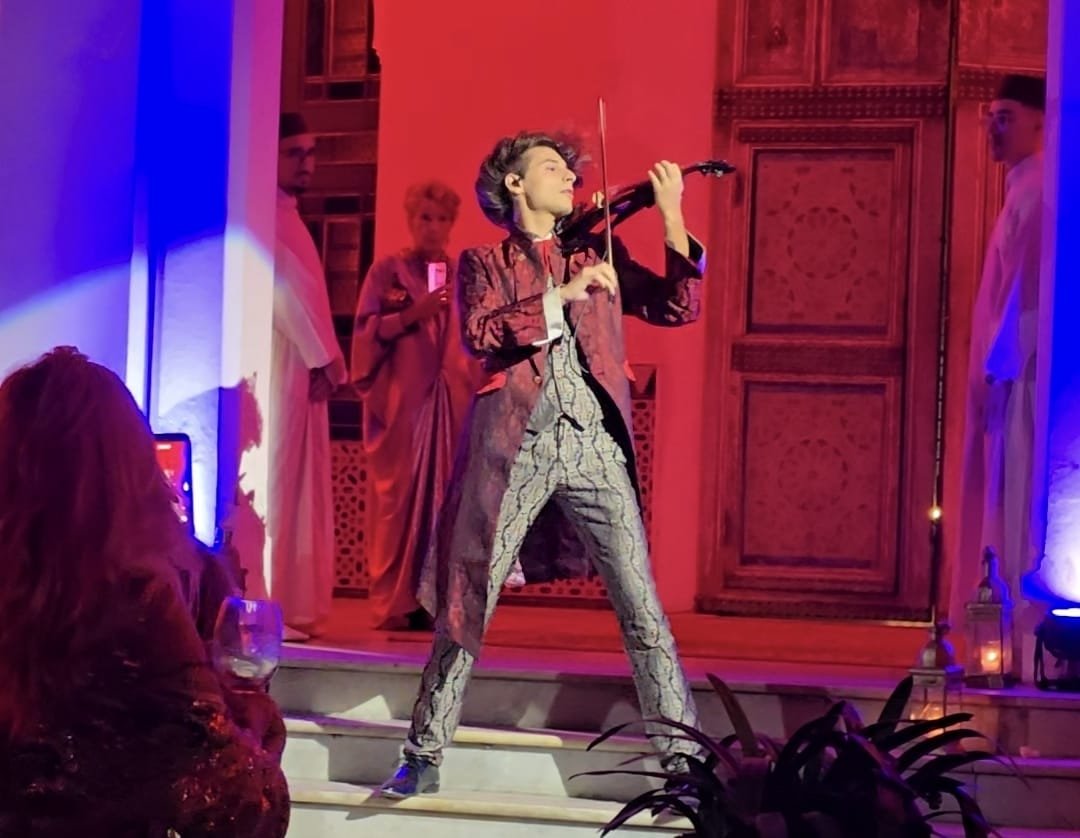
According to the organisers, the calendar was presented at a ceremony held on Saturday evening at the Italian Institutions Palace in Tangier. Featuring photographs by artist Massimo Listri and contributions from around twelve writers from Italian and international cultural circles, the edition offers a dialogue between two port cities whose history and identity have been shaped by the exchange of peoples, languages and cultures.
Created and curated by Generoso Di Meo, the calendar has explored the ties between Naples and cities in Italy and around the world for a quarter of a century, bringing together fine-art photography, history, art and literature.
Tangier’s selection for this anniversary edition comes amid a broader reflection on the Mediterranean as a space for encounter, dialogue and cultural exchange.
Speaking to the press, Di Meo said the choice of Tangier for the 2027 edition aimed to bring together two cities that maintain a constant balance between memory and modernity. He added that both cities serve as crossroads of cultures.
“Tangier is a wonderful city that I have known for a long time. It has a special relationship with Naples, and the calendar seeks to highlight the deep roots of that relationship,” he said.
Through this edition, the “City of the Strait” reveals the richness of its architectural heritage and the diversity of cultural influences that have shaped its cosmopolitan character. Palaces, courtyards, gardens, museums, places of worship and historic homes form a visual journey through the different layers of Tangier’s memory.
The photographs are by Italian artist Massimo Listri, whose work explores architecture, art and interior spaces. He has collaborated with the Di Meo Calendar since 2013. Through his lens, the edition evokes Tangier’s identity through its architecture, light, ornamentation and history-filled landmarks.
In a statement to Maghreb Arab Press (MAP), Italy’s Ambassador to Morocco, Pasquale Salzano, said that presenting the calendar at the historic Moulay Hafid Palace, also known as the Italian Institutions Palace, was an important cultural occasion celebrating Tangier, its historic landmarks and its ties with Naples.
He said the event, combining an opportunity to meet with cultural discovery, showcased the beauty of Moulay Hafid Palace and the skill and craftsmanship of Moroccan artisans, while also highlighting Italy’s cultural presence in this symbolic venue in Tangier.
Alongside presenting Tangier’s heritage, the Di Meo Calendar highlights the shared features of Tangier and Naples as Mediterranean-facing cities shaped by movement, trade and cultural mixing.
For 25 years, the Di Meo Calendar has brought Naples into dialogue with major cities around the world through artistic photography and literary contributions, celebrating their heritage and cultural connections.
More than a traditional calendar, the publication offers, over the course of the year, a journey through Tangier and Naples, weaving together images and narratives that make heritage a bridge to mutual understanding and cultural exchange.